
The “I saw it on TikTok so I need it” brain is loud. A Frenchie with a closet. A Ragdoll riding a Roomba. A Munchkin doing stubby zoomies. Cute gets clicks. Cute also gets you vet bills, grooming schedules, restricted leases, and a cat that hates your lifestyle because you picked a vibe, not a match. Social media won’t pay your ER visit. You will.
If you’re casually browsing, cool, window-shopping teaches you what you actually like and what just photographs well. Do it with receipts. Stick with transparent, registered sources that show their cards, health tests, pedigree, contract terms, right on the page, like Meowoff purebred kittens that come from WCF-aligned catteries with paperwork you can check. Screenshots of a “cute mom” don’t count. Proof matters.
Before You Fall for the Look
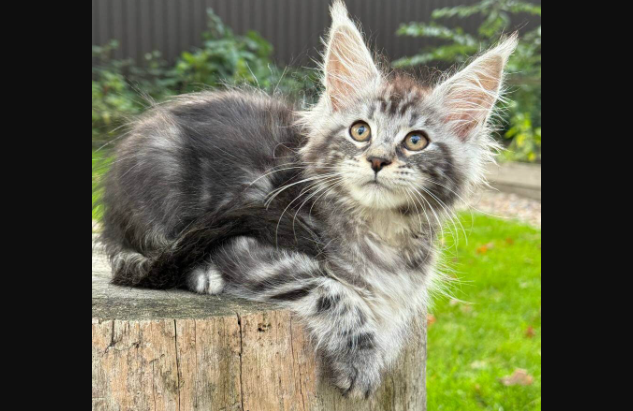
Breed “aesthetic” is a trap. Big coats, folded ears, huge eyes, these often come with maintenance or risk baked in. A Maine Coon’s mane mats if you look at it wrong. A Persian’s face shape (brachycephalic = squished snout) can mean tear staining and breathing issues. Munchkin’s short legs? That’s dwarfism. Scottish Fold ears? That cartilage mutation hits joints, not just ears.
Chasing a look without reading the fine print ends with regret, and rehoming. That’s the part no one posts.
Trend vs. Welfare: Read This Twice
You want a Scottish Fold because the ears fold like a plush toy. Osteochondrodysplasia says hi, think painful arthritis, early. You want a Munchkin because the legs are “so tiny.” Dwarfism changes the spine and hips; some live comfy lives with excellent breeders, others don’t. You want a Bengal for the spots. That energy level is feral-lite. Apartment walls are thin.
Extreme traits usually mean tradeoffs. Pick eyes wide open.
Reality Check: Will This Cat Like Your Life?
- If you work long hours: British Shorthair, Scottish Straight, or adult cats tend to be more independent. A Bengal will redecorate out of boredom.
- Small apartment, thin walls: British Shorthair and Ragdoll are usually quiet and chill. Sphynx is affectionate, but needy and vocal.
- Kids or other pets: Ragdoll is famously mellow. Maine Coon is social and goofy but big; toddlers get toppled.
- Hate lint rollers: There’s no zero-shed cat. Devon Rex sheds less; Siberian may bother some allergies less. “Hypoallergenic” is a spectrum, not a pass.
- Want low maintenance: Short coats (British Shorthair) win. Persians and Maine Coons demand regular brushing. Sphynx needs baths. Yep, baths.
Match energy with energy. Or you’ll both be miserable.
Total Cost: Not Just the Purchase Price
Sticker shock isn’t the end. It’s the starting line. Pedigreed kittens vary by breed, lineage, and rarity, Maine Coon, Ragdoll, Bengal, British Shorthair, Siberian, Persian, each swings pricing based on color, show vs. pet quality, and demand.
- Upfront: purchase or adoption fee, deposit, carrier, first supplies, microchip registration
- Medical: initial vet exam, vaccines (FVRCP), deworming, spay/neuter if not already done, emergencies
- Grooming: longhair combs/brushes, professional grooming for Persians/Coons, Sphynx bath products
- Insurance: helpful for breeds prone to HCM (heart) or PKD (kidneys); read exclusions
- Time: play sessions, nail trims, litter scooping, brushing, socialization, your calendar matters as much as your wallet
Math it out before you meet the kitten. Attachment + numbers = smarter decisions.
Health and Genetics: Popular Breeds, Real Risks
Paperwork isn’t decor. You want health testing aligned with the breed’s common issues and done by actual vets or accredited labs. Ask for proof, PDFs, scans, registry lookups. No proof, no deal.
- Maine Coon, Ragdoll: HCM screening (heart). Annual echo is ideal for breeding cats.
- Persian/Exotic: PKD DNA test. Those pansy faces are cute, kidneys are not optional.
- Scottish Fold: osteochondrodysplasia risk. Ethical programs limit pairings and monitor joints, but risk remains.
- Munchkin: dwarfism-related spine/hip issues. Buy with eyes wide open and a realistic budget.
- Bengal: high energy, sometimes sensitive guts. Healthy lines still need serious enrichment.
- General: FIV/FeLV negative parents, FVRCP vaccination, deworming, health certificate for travel.
Vet letters beat Instagram captions. Every time.
“Hypoallergenic” Isn’t Binary
All cats produce Fel d 1 (the allergen), just at different levels. Siberians sometimes produce less. Devon Rex has less hair, but still has saliva and dander. Sphynx? No fur, same proteins, plus skin oils that need bathing. Testing your reaction matters more than label hype.
- Before reserving: visit a friend with the breed, ask the breeder for a fur sample, or do a meet-and-greet video plus short in-person test if possible.
- At home: HEPA filters, frequent laundry, vacuum with a sealed system, wipe-down routines, hand-washing.
Control the variables you can. Allergies don’t negotiate with aesthetics.
The Reputable Breeder Checklist (No Guessing)
- Registration: WCF/TICA/CFA cattery prefix you can verify. Actual numbers, not “we’re affiliated.”
- Transparency: parents shown via live video; pedigrees provided; health test results shared, not paraphrased.
- Contract: clear pet-only vs. breeding rights, spay/neuter terms, return/rehome policy, buyer responsibilities.
- Health guarantee: what’s covered (congenital defects), how long, and what proof you need if something goes wrong.
- Kitten age: 12–16 weeks before going home, socialization, vaccines, and recovery matter.
- References: real owners, not just curated testimonials. Ask for at least two.
- Red flags: too-cheap prices, pressure to pay fast, no video calls, no vet records, endless availability of “rare colors.”
If a seller dodges questions, you dodge the seller. Blocking is free.
Understanding Registries and Pedigrees (Fast Version)
Registries like WCF, TICA, and CFA keep standards and pedigrees. A pedigree isn’t just a pretty family tree, it proves lineage aligns with the breed standard and helps track inherited issues. Ask how to verify the number with the registry. Then actually verify it.
“Papered” without a registry lookup is just paper.
Reservation, Deposits, Delivery: How It Usually Works
- Inquiry: introduce your household, schedule, and what you want. Your vibe matters to a responsible breeder.
- Match: photos/videos of available or upcoming kittens; temperament notes; parents’ info.
- Deposit: typically nonrefundable but transferable. Get the terms in writing. Read. Twice.
- Contract: health guarantee, spay/neuter, microchip, return policy, vet exam window after pickup.
- Timeline: most kittens go home 12–16 weeks after vaccines and vet checks.
- Transport: pickup, trusted courier, or flight nanny; USDA/APHIS compliance if crossing borders; travel crate and health certificate.
If you can’t get a straight answer on the deposit or delivery terms, that’s your answer.
Quick Breed Snapshots (No Fairy Dust)
- Maine Coon: giant sweetheart, heavy shedder, grooming commitment. Echo for HCM. Space helps.
- Ragdoll: floppy lap cat energy, calm, great for families. Watch weight; they love snacks.
- British Shorthair: plush teddy vibe, independent, low-drama. Good apartment fit.
- Scottish Fold/Scottish Straight: Folds come with joint risk; Straights avoid the ear mutation. Ask tough questions.
- Munchkin: adorable strut, orthopedic caveats. Budget for potential issues.
- Bengal: athlete with glitter. Needs vertical space, playtime, and puzzle feeders. Or chaos.
- Siberian/Devon Rex: allergy-friendlier for some; not all. Test first.
- Persian: living artwork, high grooming, eye care. PKD testing non-negotiable.
Choose temperament first. The coat is just packaging.
First 72 Hours: Your Mini Playbook
- Safe room: one quiet space with litter, water, food, bed, scratcher, and a hidey spot.
- Food: transition slowly, mix breeder’s diet with yours over 7–10 days. Upset tummies are avoidable.
- Vet: schedule a check within your contract’s window. Bring records. Ask about FVRCP timing.
- Introductions: scent swaps, door meals, then short supervised visits with other pets. No hero moves.
- Stress watch: sneezing, no appetite, diarrhea, call your vet. Travel and change are rough on tiny bodies.
Go slow now so you can go fast later.
If the Trend Isn’t a Fit, You Still Have Options
- Adult cats: already sized, often calmer, personalities known. Easier read than a 12-week-old gremlin.
- Shelters/rescues: mixed breeds, bonded pairs, seniors. Lower fees, higher gratitude.
- Fostering: try-before-you-commit, learn your tolerance for hair, mess, and midnight parkour.
No shame in deciding “not now.” Real love looks like timing and honesty.
Ask These Questions Before You Send a Deposit
- Can I see the parents via live video and get their registry numbers?
- Which health tests were done, and can I see the actual reports?
- What’s covered in your health guarantee and for how long?
- When can the kitten go home, and what vaccines has it had?
- Deposit terms, refundable, transferable, timelines?
- What support do you provide post-adoption if something goes sideways?
Screenshot the answers. Future-you will thank you.
You’re not buying a prop, you’re inviting in a roommate with claws and opinions. Pick for fit, not fads. The internet will move on in a week. Your cat will be there for the next fifteen years, judging your snacks and sleeping on your laptop like a tiny, purring editor.