
Key Takeaways:
- Murals can revitalize communities by turning mundane areas into vibrant art pieces.
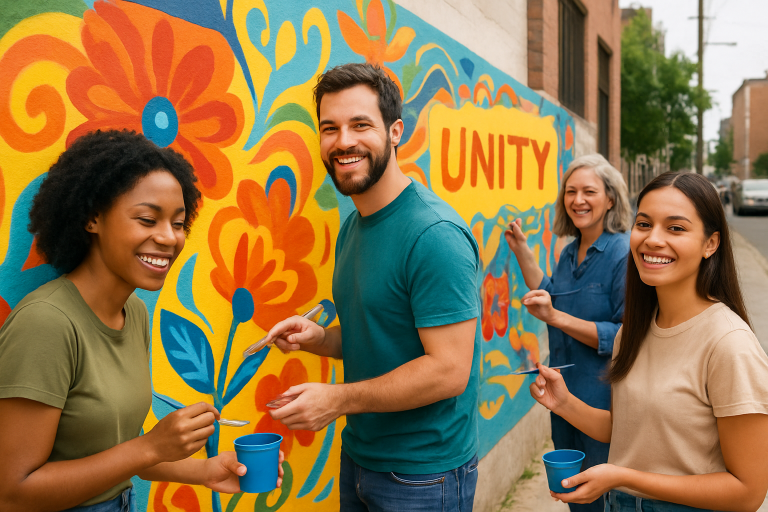
- Community involvement in mural projects fosters a sense of ownership and pride.
- Murals can serve as powerful tools for storytelling, reflecting the history and culture of a place.
- The strategic placement of murals can enhance urban aesthetics and attract tourists.
The Power of Murals in Community Transformation
Across cities and towns worldwide, murals have emerged as catalysts that transform overlooked spaces into vibrant focal points of art and culture. These large-scale artworks breathe life into drab concrete walls, infusing daily environments with energy and color. When a mural artist Austin brings creativity to street corners or public parks, the impact is immediate and often profound: blank facades become visual landmarks, and previously nondescript areas suddenly become inviting.
Examples from urban neighborhoods consistently show that public murals inspire both residents and businesses to invest more in their surroundings. The effect is often contagious, with adjacent property owners motivated to refresh their spaces, sparking a broader movement of improvement throughout the community.
Community Engagement Through Art
The creation of murals provides a unique opportunity for community involvement, going far beyond the finished painting on a wall. Many successful mural projects begin with workshops, meetings, or brainstorming sessions where residents share their stories, symbols, and aspirations. This participatory approach ensures that the final piece resonates deeply with the community’s values and experiences.
Through direct participation—whether volunteering, offering ideas, or lending a hand with the painting—residents become invested in the work, taking pride in their contribution to a lasting piece of public art. As a result, murals are less likely to face vandalism, remaining protected and celebrated as important community assets.
Storytelling and Cultural Reflection
Murals function as rich visual narratives that represent the collective memory and identity of a place. Often, they celebrate local history, highlight cultural heritage, or memorialize pivotal events and figures. By translating these stories into art, murals serve as accessible educational tools for both residents and visitors.
For instance, murals created in collaboration with Indigenous communities often incorporate traditional motifs or language, offering a tangible record of heritage that might otherwise fade. Story-driven art also becomes a valuable resource for educators, helping to engage students with local history and social issues vibrantly and interactively. Coverage by The New York Times illustrates how mural projects have supported educational programs and fostered intergenerational connections in diverse communities.
Enhancing Urban Aesthetics and Tourism
The strategic placement of murals throughout urban and suburban environments provides a powerful tool for both beautification and economic development. Colorful street art draws attention and encourages exploration, prompting visitors and tourists to discover new neighborhoods. Businesses located near striking murals frequently benefit from increased customer foot traffic and enhanced curb appeal.
Public art walks, street tours, and social media campaigns featuring murals help boost a city’s profile far beyond its borders. Recent studies, as highlighted by National Geographic, indicate an increase in art-driven tourism, with travelers actively seeking out and sharing mural destinations. These artistic attractions often become cultural landmarks, fostering community pride and engagement among residents. As cities continue investing in creative placemaking, murals play an increasingly vital role in shaping vibrant, inclusive, and economically thriving districts.
Steps to Implement a Mural Project
- Identify Suitable Locations: Select highly visible and accessible walls or public areas that will have the greatest community impact.
- Engage the Community: Involve residents, organizations, and leaders throughout the planning and design phases to guarantee the mural’s relevance and support.
- Select Talented Artists: Partner with artists who are experienced in large-scale outdoor art, and ensure they are open to community collaboration.
- Secure Funding: Apply for grants, approach local businesses for sponsorships, or organize crowdfunding campaigns to cover the costs of supplies and artist compensation.
- Plan for Maintenance: Develop a plan for regular touch-ups, cleaning, and repairs to keep the mural vibrant and well-preserved over time.
Final Thoughts
Murals go beyond aesthetics; they offer communities a canvas for storytelling, pride, and engagement. When thoughtfully planned and executed—with the help of dedicated artists and passionate residents—murals become transformative features that invigorate neighborhoods, foster tourism, and preserve local heritage. Investing in public art pays dividends, enriching the collective daily experience and inspiring future generations.