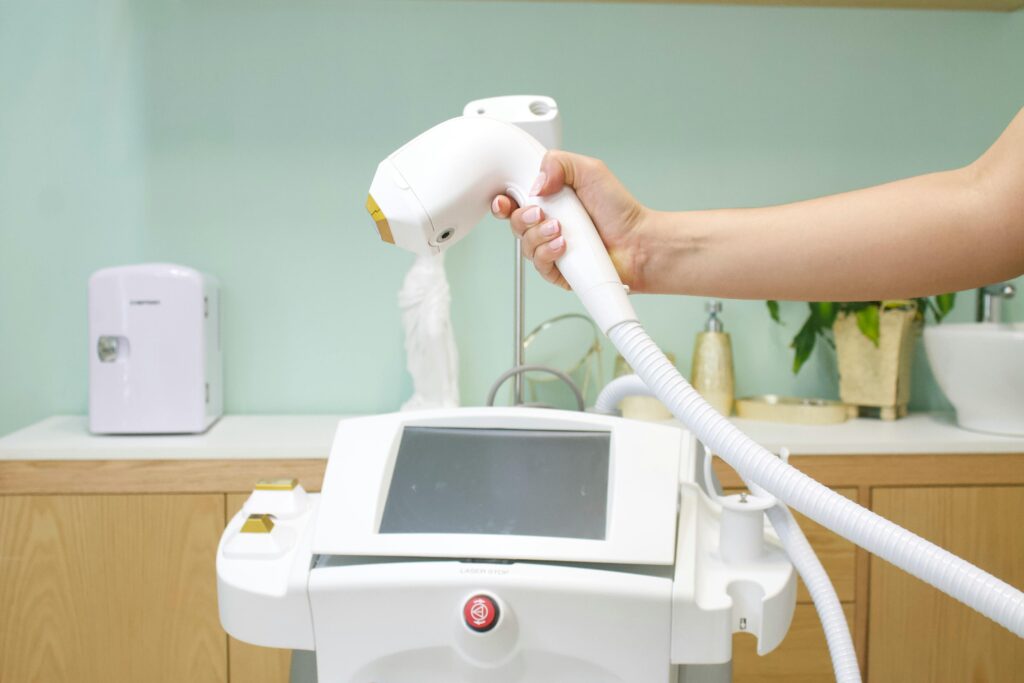

Popular Laser Types in the U.S.
Laser hair removal devices are used everywhere in the U.S. beauty market, but the way people talk about them in real life is much simpler than the technical descriptions you usually see. Most med‑spas and dermatology clinics rely on them because they solve a basic problem: people are tired of shaving and waxing. Clients want something that actually lasts, and lasers happen to do that better than anything else. That’s why you see these devices not only in big cosmetic centers but also in smaller local studios that build their business around a few effective services.
Lasers became widely accepted because they save clients time and give predictable results. When the device is chosen correctly, it works across different hair and skin types, which makes it easy for businesses to add laser hair removal to their service menu. Some studios focus only on lasers, while others use them alongside facials or body treatments. Either approach works as long as the studio knows its audience.
In the U.S., three laser types stand out because they cover most client needs. Diode lasers are the most universal and work well for a wide mix of skin tones. Alexandrite lasers are fast and especially effective for lighter skin, which is why many high‑volume clinics rely on them. ND:YAG lasers go deeper into the skin and are safer for darker skin tones. Many businesses choose a device that combines two or even all three technologies so they can treat more clients without needing separate machines.
How to Tell a Good Device from a Bad One
When people in the U.S. talk about good laser hair removal devices, they usually mean one simple thing: a machine that does its job every day without surprising anyone. A good device fires evenly, doesn’t overheat, and gives results that both the client and the technician can rely on. In real clinics, the machines that meet these standards almost always have FDA clearance. That approval isn’t just a stamp — it means the device passed safety checks and is allowed for use on clients.
Strong lasers also keep their energy levels stable. If a device delivers the same pulse strength from the beginning of the session to the end, treatments look cleaner and feel smoother. Clients notice that kind of consistency, even if they don’t know the technical terms. Another thing professionals pay attention to is cooling. A solid cooling system keeps the skin comfortable and reduces the chance of irritation. Clinics that run busy schedules rely on this because a machine that overheats will slow down the entire day.
With cheaper or low‑quality lasers, the problems usually appear fast. Some of these devices don’t have proper certification, which is a clear warning sign. Others fire with uneven strength — one pulse is strong, the next is weak. That inconsistency can lead to patchy results or discomfort. Poor cooling systems are another red flag. When a device heats up too quickly, technicians have to pause or shorten sessions, which affects both results and client trust.
The biggest issue with budget devices is the internal build. Many are made with low‑grade components that wear out quickly. On the outside, they may look similar to professional models, but in daily use they break, freeze, or lose power. Clinics that choose them often end up spending more on repairs and replacements than they would have spent on a reliable machine from the start. Some of these devices even struggle to reach the hair follicle effectively, which means clients see little to no improvement.
In short, a good laser device feels dependable. It stays cool, fires consistently, carries FDA approval, and holds up under daily use. A bad device does the opposite. For any U.S. business offering hair removal, choosing a reliable machine is not just about quality — it’s about safety, reputation, and building long‑term client trust.
Choosing the Right Laser for Your U.S. Business
Choosing the right laser hair removal device in the U.S. https://mormedgroup.com/en/laser-hair-removal-devices is less about chasing the “best” machine on the market and more about picking the one that fits the clients who walk through your door. Every studio has a different mix of people. Some serve mostly lighter skin tones, where Alexandrite lasers tend to work faster. Others work in diverse neighborhoods where an ND:YAG laser is a safer and more reliable option for darker skin. And if your client base is mixed, a diode laser usually covers the widest range without complications. Thinking this way — starting with people, not equipment — makes the decision a lot clearer.
Another practical point is choosing brands with a real presence in the U.S. Machines from Cynosure, Candela, Lumenis, Alma (Soprano ICE), Cutera, and Fotona show up again and again in med-spas because they’re built to last and have FDA clearance. But beyond the approvals, what really matters is that these companies offer training, service technicians, and spare parts without long delays. Clients also tend to trust names they’ve heard before, and it’s easier to market your services when the equipment itself already carries a strong reputation.
Warranty and technical support don’t sound exciting, but they matter more than most buyers expect. A laser can work perfectly for months and then suddenly need a part replaced — and that’s when you see the difference between a reliable manufacturer and a risky one. Good brands offer multi-year warranties and real customer support teams. Cheaper devices often leave business owners scrambling for repairs or waiting weeks for someone overseas to respond.
If you can, always test the device before buying. A short demo tells you more than any brochure. Pay attention to how the cooling feels, how loud the machine is, how fast it fires, and whether the handpiece feels comfortable to hold. These small details affect your daily workflow and how your clients experience the treatment.
In the end, the right laser is the one that matches your clients, fits your budget, and comes from a company that will support you when you need it. Choosing wisely upfront gives you safer treatments, better results, and a stronger reputation — the things that help a U.S. studio grow steadily over time.