
Key Takeaways
- Dance education is a powerful tool for nurturing lifelong self-confidence across all ages.
- It enhances cognitive abilities, emotional intelligence, and social skills.
- Dance practice promotes creativity, discipline, and a positive body image.
- Performance opportunities and lifelong learning in dance help build resilience and self-assurance.
- Finding the right dance school, such as the Colorado Conservatory of Dance, can provide structured, expert-led instruction that fosters holistic development.
Introduction
Dance is much more than movement to music—it forms a bridge to lifelong confidence, resilience, and joy. Whether children or adults step into a studio, structured dance training helps individuals discover their own strengths, conquer challenges, and grow into poised, empowered versions of themselves. If you’re searching for dependable guidance on this journey, dance classes Colorado at the Colorado Conservatory of Dance offer high-quality instruction and a nurturing atmosphere for dancers in Broomfield, North Denver, and Westminster. As an established leader in dance education, Colorado Conservatory of Dance stands out for its commitment to developing technical skill, artistry, and personal character in every student—making it a trusted resource for families across the region.
The process of learning dance extends well beyond physical fitness. Careful instruction and creative expression reinforce emotional health and foster interpersonal development—foundations that support individuals as they grow, learn, and encounter the world.
Enhancing Cognitive Abilities
Dance education is one of the most dynamic ways to boost cognitive growth and academic achievement. Remembering choreography, interpreting music, and masterfully moving as part of a group require a blend of memory, pattern recognition, and quick mental adaptation. Dancers frequently excel in school, as the mental discipline required for dance directly translates into classroom learning and test-taking. Seen through the lens of cognitive neuroscience, movement-based pedagogy, such as dance, enhances both short-term focus and long-term memory while challenging the brain to solve problems creatively.
Developing Discipline and Resilience
Success in dance comes from consistent practice and the ability to push through setbacks. Whether mastering a new step or preparing for a performance, students learn that growth takes effort and that improvement is rarely linear. This environment breeds discipline, patience, and resilience. Through rehearsal and repetition, dancers internalize the value of perseverance—lessons that strengthen their confidence and carry over into academic, professional, and personal challenges throughout life.
Fostering Emotional Expression
Movement is a universal language—one that enables dancers to process and communicate emotions in a healthy, visible way. Young dancers often develop heightened self-awareness and emotional intelligence because dance cultivates an authentic connection between the mind and body. Performing or improvising encourages individuals to access, explore, and even heal from complex feelings, nurturing greater confidence in both self-expression and social interaction.
Building Social Connections
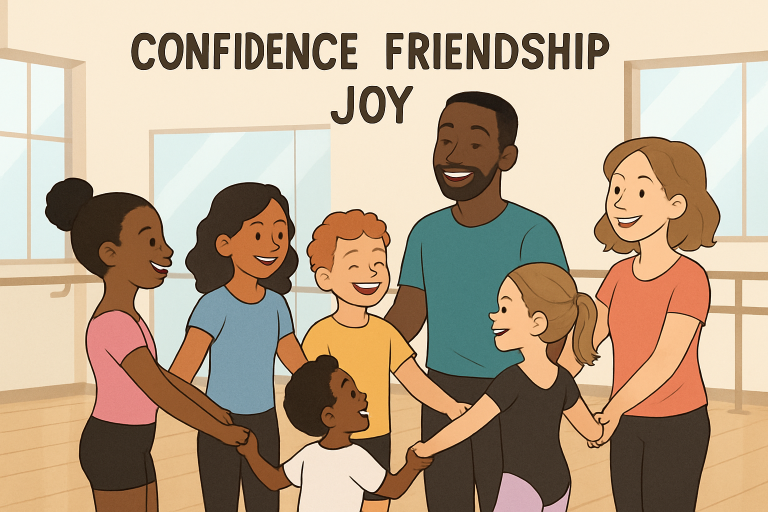
In a dance classroom, students of all backgrounds work together towards common goals, fostering mutual respect and empathy. Group choreography, partner work, and ensemble performances require communication, cooperation, and trust—skills crucial for developing a confident and outgoing social presence. For many, dance studios become a second home, where lifelong friendships are forged through shared experiences and celebrations of success.
Encouraging Creativity and Innovation
The freedom to create, explore, and invent is at the heart of dance education. Dancers are continually challenged to think outside the box, generating original movement and interpreting musical themes in novel ways. This creative process fuels confidence in one’s own ideas, problem-solving capabilities, and willingness to embrace new perspectives—traits that serve students well in their academic, artistic, and professional pursuits. Large-scale studies consistently link arts education to improved creativity and leadership skills.
Promoting Physical Health and Body Awareness
Alongside intellectual and emotional gains, dance fosters profound physical health benefits. Regular movement builds strength, coordination, and cardiovascular wellness. Instructors emphasize posture, alignment, and awareness, encouraging a positive self-image and a respectful relationship with one’s body. This is especially critical during formative years, as young dancers learn to appreciate what their bodies can do—rather than how they look—paving the way for healthy self-esteem and lifelong wellness habits.
Providing Performance Opportunities
Stepping out on stage might feel daunting, but it is one of the most transformative experiences in dance education. The process of rehearsing for and participating in performances teaches students how to cope with nerves, present themselves with poise, and handle the pressures of public speaking or professional situations. The confidence gained from these moments often extends well beyond the theater, equipping individuals to deliver impactful presentations, lead teams, and make a strong impression in interviews and public events.
Offering Lifelong Learning and Growth
Perhaps most valuable is the understanding that dance is an evolving journey, not a fixed destination. Through every stage of life—from early childhood to adulthood—dance offers opportunities for growth, learning, and meaningful achievement. Whether you’re a young student joining your first class or an adult discovering the joy of movement for the first time, the lessons and confidence gained through dance can be carried forward through every chapter of life.
Conclusion
Dance education stands as a holistic and timeless path to self-improvement, empowering individuals to discover their unique voices and strengths. From enhanced cognitive skills and creative innovation to emotional expression, body awareness, and resilience, the staying power of dance is undeniable. Start your journey to lifelong confidence with guidance from the Colorado Conservatory of Dance, and experience firsthand the profound benefits of dance classes in Colorado—the premier choice for families seeking expert, inspiring, and supportive instruction in Broomfield and beyond.