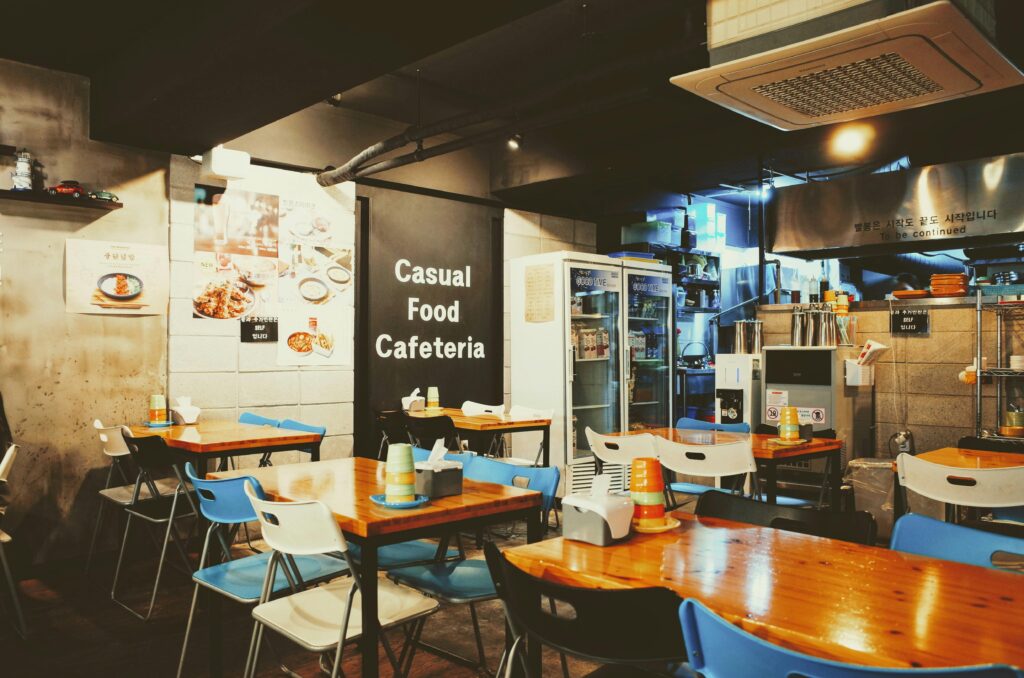

Most people talk about food when they talk about food businesses. They talk about flavors, recipes, creativity, or how crowded a place feels when they walk by. That makes sense as a customer, but it misses the point entirely as an owner. Profit does not begin with food. It begins with obligations. Florida is especially unforgiving when those obligations are misunderstood.
A small restaurant in Florida starts spending money long before it has any proof that the concept works. The lease is signed months ahead of opening. Build-outs take longer than expected. Permits stall. Inspections get rescheduled. Meanwhile, rent ticks forward, utilities get installed, insurance policies activate, and deposits disappear into paperwork. None of that depends on customers showing up.
In cities like Miami, this pressure arrives fast. Even a modest location can carry rent that feels manageable on paper but becomes suffocating once payroll, utilities, and supply costs stack on top of it. Air conditioning alone becomes a constant drain. A slow week is not just disappointing, it creates anxiety that bleeds into every decision that follows.
Food trucks start from a different psychological place. Their costs are tied to action, not presence. Fuel replaces rent. Permits replace long-term leases. Commissary kitchens replace full build-outs. If sales slow, costs slow with them. That relationship between effort and expense changes how owners think and act.
Instead of chasing volume out of fear, truck owners often price for survival from day one. They adjust hours. They skip unprofitable days. They move. That freedom is not glamorous, but it keeps the business alive long enough to improve. This is where profit really starts, not with food quality, but with how tightly money is tied to movement.
Florida Is Not One Market, It Is Several Colliding Ones
Florida looks like one state on a map, but it behaves like several different food economies stacked on top of each other. Tourists, locals, seasonal residents, students, retirees, event crowds, and beach traffic all operate on different schedules. Weather disrupts everything without warning. One weekend can feel electric. The next can feel empty.
Small restaurants depend on routine to survive. Lunch crowds. Dinner reservations. Regular customers who come back weekly. This works best in stable residential areas of Tampa or quieter neighborhoods of Orlando, where families eat out on predictable days and times. It works poorly in tourist corridors where traffic spikes and vanishes without explanation.
Food trucks are built for inconsistency. They show up where density temporarily exists and disappear when it does not. Festivals, beaches, breweries, college campuses, street events, these become income opportunities rather than disruptions. Florida’s heat pushes people outdoors later in the evening, which favors trucks that can shift hours without renegotiating staff schedules or keeping empty dining rooms open.
This flexibility does not just protect revenue. It protects morale. Owners are not stuck watching empty tables while bills pile up. They can respond instead of endure. In Florida, profit does not reward permanence. It rewards timing.
Startup Capital Is Not Just About How Much, It Is About How Long It Is Tied Up
Opening a small restaurant in Florida usually means committing a large amount of money before you know whether anyone wants what you are selling. Build-outs stretch on. Permits get delayed. Contractors miss deadlines. Furniture arrives late. Equipment costs more than expected. By the time the doors open, the budget is already bruised.
That money does not stay liquid. Once it goes into walls, plumbing, wiring, and custom layouts, it is trapped. If the concept struggles, leaving becomes expensive. Equipment sells at a loss. Lease obligations remain. Owners often stay longer than they should because walking away hurts too much.
Food trucks compress this risk window dramatically. Capital stays mobile. Trucks can be sold. Equipment can be reused. Menus can change without demolition. If demand shifts, the business shifts with it. Failure, while still painful, is not catastrophic.
Florida food trends move quickly. What feels exciting one season may feel tired the next. Trucks survive these shifts because they are not anchored to a single idea or location. Restaurants often cannot pivot fast enough to matter. Profit favors businesses that can detach without collapsing under sunk costs.
Labor Is the Quiet Profit Killer Few Owners Admit
Labor quietly drains profitability in small restaurants more than most owners expect. Florida’s labor market shifts with tourism seasons. Staff leave for higher-paying opportunities. Training cycles repeat endlessly. Coverage becomes a daily puzzle.
Kitchens require redundancy. Front-of-house requires presence even when tables are empty. Payroll does not scale down gracefully on slow nights. One quiet dinner service still costs the same in wages. Over time, this mismatch eats away at margins until the business feels busy but broke.
Food trucks operate under stricter limits. Fewer employees. Tighter roles. Less hierarchy. Owners often work inside the truck themselves, absorbing hours that would otherwise go to payroll. It is physically demanding and not sustainable forever, but it keeps costs honest.
Restaurants often feel successful because they look active. Trucks feel successful when the numbers close cleanly. One model hides inefficiency behind motion. The other exposes it immediately. Profit does not care how busy a place looks. It cares how much is left after the doors close.
Revenue Ceilings Exist, But So Do Profit Floors
Food trucks are often dismissed because they cannot scale the same way restaurants can. Restaurants seat more people. They sell alcohol. They host events. All of that increases revenue potential.
But revenue without margin is noise.
Many small Florida restaurants generate impressive gross sales while keeping very little of it. Rent, payroll, utilities, waste, maintenance, marketing, and repairs quietly erase gains. Owners work long hours and wonder why the bank account never reflects the effort.
Food trucks hit revenue ceilings sooner, but their profit floors are sturdier. A well-run truck operating focused days can clear meaningful income without stretching hours endlessly. Fewer open hours often mean sharper margins and less burnout.
Some trucks transition into brick-and-mortar spaces, but many stop short because the math stops improving. The moment walls appear, costs multiply. What felt like growth becomes dilution. Scale only matters when margin survives it.
Real Florida Examples Without the Mythology
Florida loves success stories, but the quieter patterns matter more. In Miami, late-night food trucks serving tight menus often outperform nearby sit-down spots on profit per hour. They skip décor debates, avoid dining room maintenance, and focus on speed.
In Orlando, trucks parked near breweries or event venues generate concentrated revenue bursts that restaurants struggle to match during off-hours. One strong weekend can carry a slow week.
Meanwhile, small restaurants open and close constantly. Many serve good food. Their failure rarely comes from quality. It comes from cost structures that leave no margin for error. This is not a talent problem. It is a design problem.
The Hidden Psychological Cost of Each Model
Profit is not only financial. It is mental.
Restaurant owners carry constant background stress. Leases, inspections, staffing gaps, reviews, utilities, equipment failures. The building itself becomes a source of pressure. Even small expenses, like replacing worn restaurant chairs, become reminders that money is locked into permanence.
Food truck owners carry physical exhaustion and uncertainty. Weather cancels plans. Breakdowns happen. Permits change. The work is personal and demanding. There is no buffer between effort and outcome.
Temperament matters. Some people prefer predictable stress. Others prefer autonomy with effort. Florida quietly rewards the second group.
So Which One Is More Profitable, Really?
For most small operators in Florida, food trucks reach profitability faster and keep a higher share of what they earn. Small restaurants can surpass them in total revenue, but only when volume, pricing, and cost discipline align tightly. That alignment is rare.
Food trucks win on margin, adaptability, and survivability. Restaurants win on scale and permanence, but only for owners who can absorb early losses and manage complexity without losing control.
Profit does not follow ambition. It follows structure.For many owners in Florida, the most profitable restaurant is the one that never became a restaurant at all.