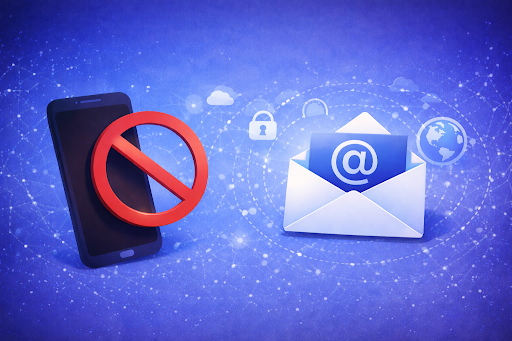

For years, email services were simple. Choose a username, set a password, and you were ready to go. Today, the process looks very different. Phone verification has become a standard step, even for something as basic as creating a Gmail account. While this change was introduced to fight spam and abuse, it also created new challenges for everyday users.
Privacy concerns, multiple account management, international access issues — all of these have pushed people to look for smarter, more flexible ways to register online.
Why Phone Verification Became the Default
From the platform’s perspective, phone numbers act as a lightweight identity check. They help reduce bots, mass registrations, and suspicious behavior. But for users, phone verification often creates friction:
- Not everyone wants to share a personal number
- Some users manage multiple accounts for work or business
- International travelers and expats face regional restrictions
- Freelancers and marketers often need separate inboxes
As a result, the question has shifted from “Why do they ask for a phone number?” to “Is there a safe alternative?”
The Rise of Virtual Numbers for Email Registration
Virtual phone numbers have become a quiet but powerful tool in the digital world. Instead of using a personal SIM card, users receive verification codes online, without long-term commitments or privacy risks.
These services are especially popular among:
- Digital marketers running campaigns across platforms
- Small business owners separating personal and work communication
- Developers testing applications and email flows
- Users who simply value anonymity
The key is choosing a provider that offers reliable delivery, real numbers, and support for major platforms like Gmail.
Gmail Accounts Without Personal Numbers — How It Works
The process itself is straightforward. During Gmail registration, instead of entering a personal phone number, users request a temporary number from a specialized service. The verification code is delivered online, used once, and the number expires.
One commonly used solution for this approach is https://grizzlysms.com/gmail
Services like this provide access to virtual numbers from different countries, making Gmail registration more flexible while keeping personal data private.
Is This Safe and Legit?
This method does not involve hacking, bypassing security, or exploiting vulnerabilities. It simply replaces one verification channel (a personal SIM) with another (a virtual number). The responsibility still lies with the user to follow platform rules and use accounts ethically.
For many professionals, this approach is less about anonymity and more about control — controlling how much personal information is shared online.
The Bigger Picture: Digital Identity Is Evolving
As platforms continue tightening verification rules, users are becoming more aware of how their data is used. Temporary and virtual solutions are no longer fringe tools — they are becoming part of mainstream digital hygiene.
In 2026, managing your online identity isn’t about hiding. It’s about choosing when and how your information is shared.