
Wellness technology now shows up in everyday moments. People check a watch before a meeting. They glance at an app while making coffee. They tap a screen before bed. These tools no longer feel niche or futuristic. They feel normal. Many people want simple ways to stay aware of daily habits without adding pressure or complexity. That is where modern wellness tech fits in. It focuses on ease, visibility, and routine. It blends into life as it already exists.
This article looks at the types of wellness tech people use day to day. The goal is to understand what these tools do and why they feel relevant right now.
Wearable tech people actually use
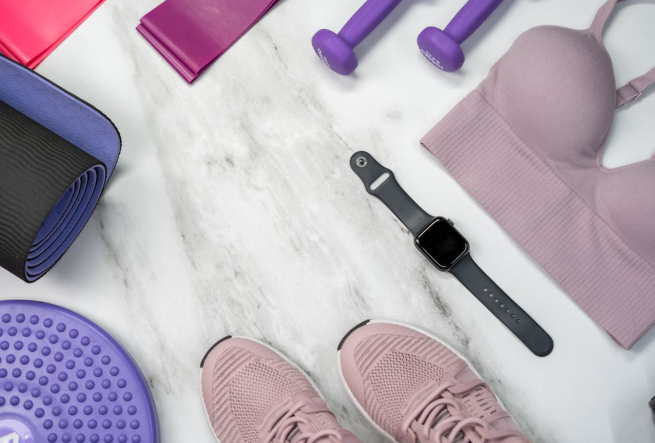
Wearable devices have become part of daily style. Many people wear them from morning to night without thinking twice. These devices track things like steps, movement patterns, and daily schedules. The appeal comes from simple feedback. A quick glance shows how the day is unfolding. There is no need to study charts or long reports. The data stays easy to read and easy to ignore when needed. People like that balance. Wearables also work quietly in the background. They collect information while the wearer goes about normal tasks. This makes them feel supportive rather than demanding.
Smart reminders that help people stay consistent
Digital reminder tools have become a simple way to keep track of daily supplement routines. Many people use phone reminder apps, calendar alerts, or wellness trackers to schedule notifications at times that fit their day. These tools work quietly in the background and blend into routines people already follow. They remove the need to remember on your own, without adding complexity. Some people choose to pair these reminders with ingredient-based options such as health-friendly supplements by USANA Health Sciences, using alerts as a practical way to stay consistent alongside meals and other daily habits.
Rings and bands with a low profile
Not everyone wants a screen on their wrist. This has led to smaller wellness tech like smart rings and slim bands. These tools focus on comfort and design. Many look like regular accessories. People choose them because they feel subtle. They fit into work settings, social plans, and personal style. The tech inside still tracks daily patterns. The experience feels calm and private. Users often check the data later instead of in real time. This approach suits people who want awareness without constant prompts. It also shows how wellness tech adapts to different preferences.
Tech that shapes the home environment
Wellness tech now extends into living spaces. Smart lighting systems adjust brightness across the day. Sound devices offer gentle background noise. Some homes use connected diffusers or air systems. These tools help people shape their surroundings. The focus stays on comfort and routine. Settings can follow a schedule or change with a tap. Many people enjoy the sense of control. The tech feels less like a gadget and more like part of the home. It supports daily rhythms without calling attention to itself.
Everyday tools for hydration and meals
Smart bottles and kitchen tools have gained attention in recent years. Connected bottles track water intake through sensors. Some glow or send reminders through an app. Smart kitchen tools measure portions or track recipes. These devices focus on daily habits that many people already have. They add a layer of awareness without changing routines. The tech stays practical. It fits into busy schedules and shared spaces. People like tools that work quietly while they focus on the rest of their day.
At-home beauty tools people enjoy using
Beauty-focused wellness tech has become more common in everyday routines. Many people use handheld facial tools, cleansing brushes, or massage devices at home. These tools focus on surface-level care such as cleansing, hydrating, and beautifying. Most are designed for short sessions and simple use. Clear instructions and gentle settings make them easy to fit into a routine. People enjoy having control over how and when they use them. The experience feels personal rather than clinical. The popularity of these tools comes from convenience. They allow users to keep their routines consistent without extra appointments or steps.
Digital platforms for flexible movement plans
Movement platforms have shifted toward choice and variety. Many digital services now offer libraries of short sessions rather than fixed programs. Users can select content based on time, space, or mood. Some platforms focus on guided stretching. Others offer light movement or flow-based sessions. The key feature is flexibility. People like having options without pressure to follow a strict plan. These platforms often work across devices. Users can start a session at home or while traveling. This makes movement feel approachable and adaptable to real schedules.
Creating sleep-friendly spaces with tech
Sleep-related wellness tech often focuses on the environment. Smart lights can dim at set times. Sound machines offer steady background noise. Some devices manage screen settings across devices. These tools aim to support consistent routines. People often use them to signal transitions between parts of the day. The tech stays in the background once set up. This helps reduce decision-making at night. Many users appreciate that these tools work automatically. The goal is not tracking or feedback. It is creating a space that feels settled and predictable.
Picking tech that fits real life
With so many options available, choice matters. People tend to stick with tech that feels natural to use. Comfort, design, and ease of setup play a big role. A device that fits daily life is more likely to stay in use. It helps to consider where and when the tech will be used. Simple tools often work better than complex ones. Many users also prefer devices that work quietly without frequent alerts. The right choice supports routine rather than interrupting it. This approach keeps wellness tech practical instead of overwhelming.
Wellness tech has become part of everyday life. It shows up on wrists, in homes, and on phones. These tools focus on awareness, structure, and ease. They do not demand attention. They fit into routines people already have. From wearable devices to home systems, the common thread is simplicity. When wellness tech feels easy, it feels useful. People continue to choose tools that support daily flow rather than disrupt it. This shift shows how wellness has become more personal, flexible, and grounded in real life.