
Key Takeaways
- Assess your home’s structural suitability and sun exposure to determine the optimal placement of panels.
- Research and comply with all local regulations and permit requirements before starting your project.
- Select high-quality solar components and vetted installers for maximum system reliability.
- Leverage national and local financial incentives to reduce your initial investment.
- Maintain and monitor your solar array to protect your investment for years to come.
Investing in solar panels enables homeowners to reduce their energy costs and minimize their environmental impact significantly. By taking the proper preparatory steps and understanding the installation process, you can maximize both your upfront investment and your long-term savings. If you’re exploring solar options for your home, consider visiting https://gtconstruction.solar for additional insights and expert guidance on modern solar solutions. Installing solar isn’t just about buying panels—it’s about making intelligent, lasting decisions for your property.
Solar panel installation requires careful planning and a clear understanding of multiple factors, such as your home’s suitability, local building codes, equipment selection, financial incentives, and maintenance needs. The following essential tips will help set you up for a successful installation, ensuring your transition to solar energy is cost-effective and as hassle-free as possible.
Assessing Your Home’s Suitability
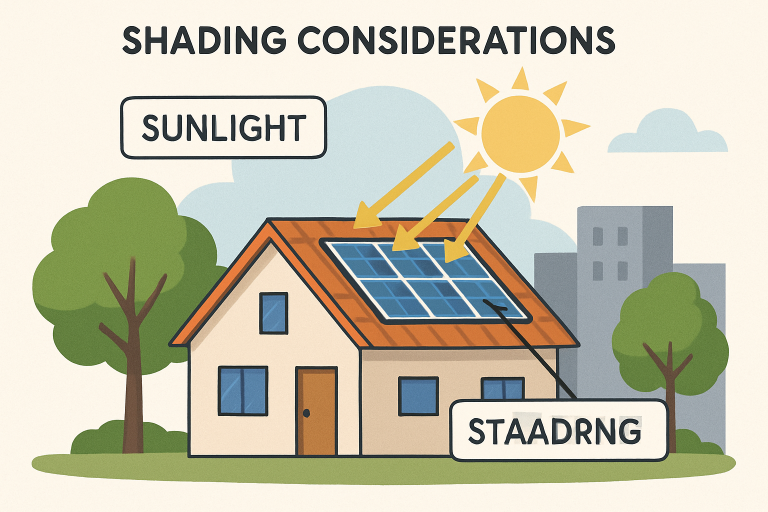
Determining whether your property is appropriate for solar panels is the critical first step. Your roof plays a primary role in this assessment—ensure it is structurally sound, has many years of life remaining, and can bear the weight of the panels. Equally important is sun exposure. Check for any possible obstructions, such as tall trees or nearby buildings, that may cast shade and reduce the efficiency of your panels.
The orientation and tilt angle of your roof are also vital. South-facing roofs in the Northern Hemisphere, angled to match local latitude, typically receive the most consistent sunlight throughout the year. By optimizing panel placement, you can significantly enhance your system’s energy output and return on investment.
For homeowners starting their research, the U.S. Department of Energy’s Homeowner’s Guide to Solar offers a comprehensive overview of what to expect as you begin planning your solar upgrade.
Understanding Local Regulations
Every locality has its own building codes and permit requirements for installing solar panels. Failing to secure the correct permits can result in delays, fines, or necessitate the removal of your system. Research your municipality’s specific rules and consult with experienced local installers who are familiar with navigating these processes. Often, reputable contractors will handle permitting on your behalf, reducing headaches and ensuring compliance from the start.
Selecting Quality Equipment and Installers
Solar technology continues to evolve rapidly, making it crucial to select high-quality panels and components. Panels with high output and durable warranties typically offer greater long-term value than bargain alternatives. Don’t overlook your inverter choice—it’s crucial for converting sunlight into usable home electricity and should match the quality of your solar panels.
Choosing a reputable installer is just as important as the hardware. Look for professionals who are licensed, certified, and have a solid track record of customer reviews. Beware of unusually low quotes, as they may signal shortcuts in installation or the use of inferior equipment. Reliable installers not only provide peace of mind but can also offer performance guarantees and ongoing customer support.
Exploring Financial Incentives
A range of federal, state, and utility-based financial incentives can significantly reduce the cost of solar energy. The most prominent is the federal solar tax credit, which enables homeowners to claim a significant portion of their installation costs on their federal tax return. States such as California and New York offer additional credits, rebates, or property tax exemptions—so it pays to research your local options.
Certain utility companies also offer lump-sum rebates or performance-based incentives for installing solar panels. Considering all these offers can dramatically reduce your out-of-pocket expenses and accelerate your return on investment. For current details on available incentives in your area, refer to the Database of State Incentives for Renewables & Efficiency (DSIRE).
Implementing Maintenance and Monitoring
Continuous maintenance ensures your panels deliver their expected performance for decades. Cleaning your solar modules periodically is crucial to remove dust, leaves, and bird droppings that can block sunlight and reduce their efficiency. Most systems require only minimal upkeep, making them a low-maintenance investment overall.
Modern solar installations often include monitoring systems to help track daily power production and quickly identify issues. Early detection of malfunctions—such as failed inverters or reduced output—helps prevent bigger problems and secures your investment. Energy experts at Consumer Reports offer valuable maintenance tips to keep your solar system in optimal condition.
Considering Battery Storage
Adding battery storage to your system allows you to store excess energy generated during sunny days for use at night or during power outages. While batteries add to your project’s upfront costs, they also enhance energy independence and system reliability. For some homeowners—especially those in areas prone to grid outages—battery backup can be a wise long-term investment.
Staying Informed on Policy Changes
Energy policy is constantly evolving. Federal and state incentives—including tax credits—may change or adjust eligibility criteria over time. Keep an eye on developments in federal legislation and local utility regulations. Being proactive about policy changes ensures you capture every available benefit and make decisions based on the most current information. Leading publications such as The New York Times frequently provide updates on energy policies and incentives.
Conclusion
Installing solar panels is a significant decision that promises substantial long-term benefits. By taking steps to evaluate your home’s suitability, following local regulations, selecting reliable equipment and qualified installers, maximizing all available incentives, and implementing regular maintenance, you will ensure your solar investment pays off for years to come. Plan thoroughly, stay informed, and your transition to renewable energy will be both smooth and rewarding.