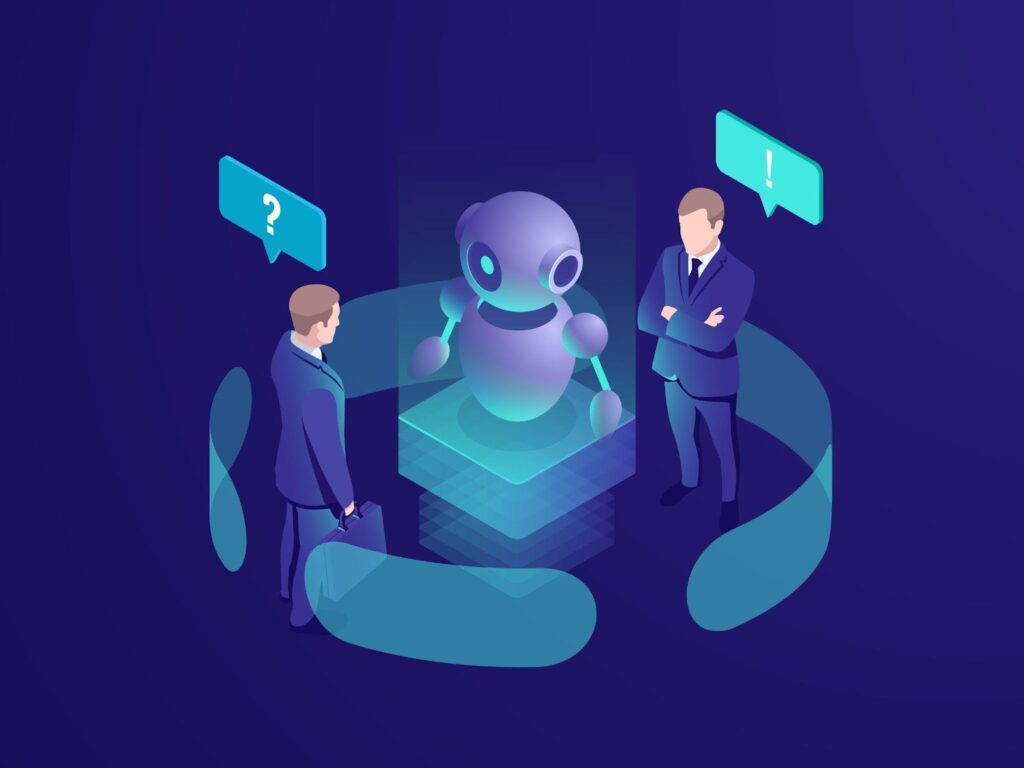

With the digital world expanding sideways at an unbelievable pace, organizations and IT experts are now resorting to intelligent automation as a way to simplify processes, increase efficiency, and deliver smarter solutions. A leading service driving this revolution is AI Agent Development Services, which empower IT teams to design, deploy, and operate intelligent agents capable of performing complex tasks efficiently. From global enterprises to providers offering AI Agent Development Services in UK, AI agents are changing the way IT professionals solve problems by automating routine processes and delivering sophisticated analytics.
What Are AI Agent Development Services?
AI Agent Development Services refer to the development of autonomous or semi-autonomous software agents that operate based on artificial intelligence technologies, including machine learning, natural language processing and predictive analytics. These agents can execute tasks, make decisions and communicate with users or systems without the need to be attended to on a regular basis.
For IT professionals, leveraging AI agents can mean:
- Automating repetitive IT operations
- Enhancing cybersecurity through intelligent monitoring
- Providing real-time insights and decision support
- Improving customer service via virtual assistants
Key Benefits for IT Professionals
1. Increased Operational Efficiency
Some time-intensive activities that AI agents can perform include server checks, data processing, and ticket resolution, allowing IT professionals to focus on more strategic initiatives. For example, AI-based helpdesk agents can automatically sort and prioritize support tickets, reducing response times and improving user satisfaction , an approach increasingly adopted by organizations working with a CRM Software Company in UK to enhance customer engagement.
2. Improved Accuracy and Decision-Making
Errors made by human beings in IT functions may be expensive. AI agents are used to process large volumes of data to find patterns, detect anomalies, and provide recommendations based on the data. This will guarantee more accuracy when it comes to the processes such as network management, incident detection and resource allocation.
3. Cost Reduction
The introduction of AI agents will help save a considerable amount of money in terms of operations. With the automation of routine processes and optimization of workflows, IT teams will be able to accomplish much with fewer resources, and available funds can be allocated to innovation and expansion.
4. Enhanced User Experience
AI agents may communicate with the end-users in the form of chatbots, virtual assistants, or intelligent interfaces and offer immediate feedback and tailored answers. This enhances the end user experience and builds a better relationship between the IT departments and their stakeholders.
Types of AI Agents for IT Professionals
1. Virtual Assistants
Virtual assistants allow IT experts to cope with the schedule, respond to questions and automate routine activities. They merge with communication systems and are able to offer immediate assistance to internal departments or clients.
2. Autonomous Monitoring Agents
These agents keep on checking systems, servers, and networks with anomalies. They are able to raise alerts, produce reports and even take corrective measures without the need of a human intervention.
3. Predictive Analytics Agents
By leveraging machine learning algorithms, predictive analytics agents can forecast trends, detect potential issues before they escalate, and provide actionable insights for decision-making.
4. AI-Powered Chatbots
AI chatbots are ideal for IT support and customer service. They handle FAQs, troubleshoot problems, and escalate complex issues to human agents, ensuring a seamless support experience.
Best Practices for Implementing AI Agent Development Services
- Define Clear Objectives: Identify the specific problems you want your AI agents to solve.
- Select the Right AI Technologies: Choose machine learning models, NLP tools, and analytics platforms that align with your goals.
- Ensure Data Quality: AI agents rely on accurate data. Regularly clean, update, and maintain datasets.
- Test and Iterate: Continuously evaluate the performance of AI agents and refine their capabilities.
- Focus on Security: Ensure AI agents comply with cybersecurity standards and protect sensitive information.
Real-World Applications
- IT Helpdesk Automation: AI agents can handle up to 70% of common support requests, reducing workload for IT staff.
- Network Security: Intelligent monitoring agents detect suspicious activity in real time and prevent potential breaches.
- Resource Optimization: Predictive agents analyze server loads and optimize resource allocation, reducing downtime and costs.
Conclusion
The development of AI Agent is transforming the IT industry with tools that can be used to improve efficiency, accuracy, and decision-making. To IT professionals, using AI agents is no longer the choice, rather it is the strategic step towards remaining competitive in the highly competitive digital environment. These services will be used prudently by the IT teams to automate routine operations, enhance system stability, and provide enhanced user experiences.
FAQs
Q1: What skills are required to develop AI agents?
The IT specialists are expected to be familiar with such programming languages as Python or Java, knowledge of machine learning and NLP, and familiar with system integration and automation tools.
Q2: Can AI agents fully replace IT staff?
No, the AI agents are not to substitute the human capabilities, rather to complement them. They are assigned with repetitive work, whereas human beings are concerned with high-level decision making and multi-faceted problem solving.
Q3: How long does it take to implement an AI agent in IT operations?
Implementation time varies depending on complexity, but small-scale agents can be deployed within weeks, while advanced predictive or autonomous agents may take several months.