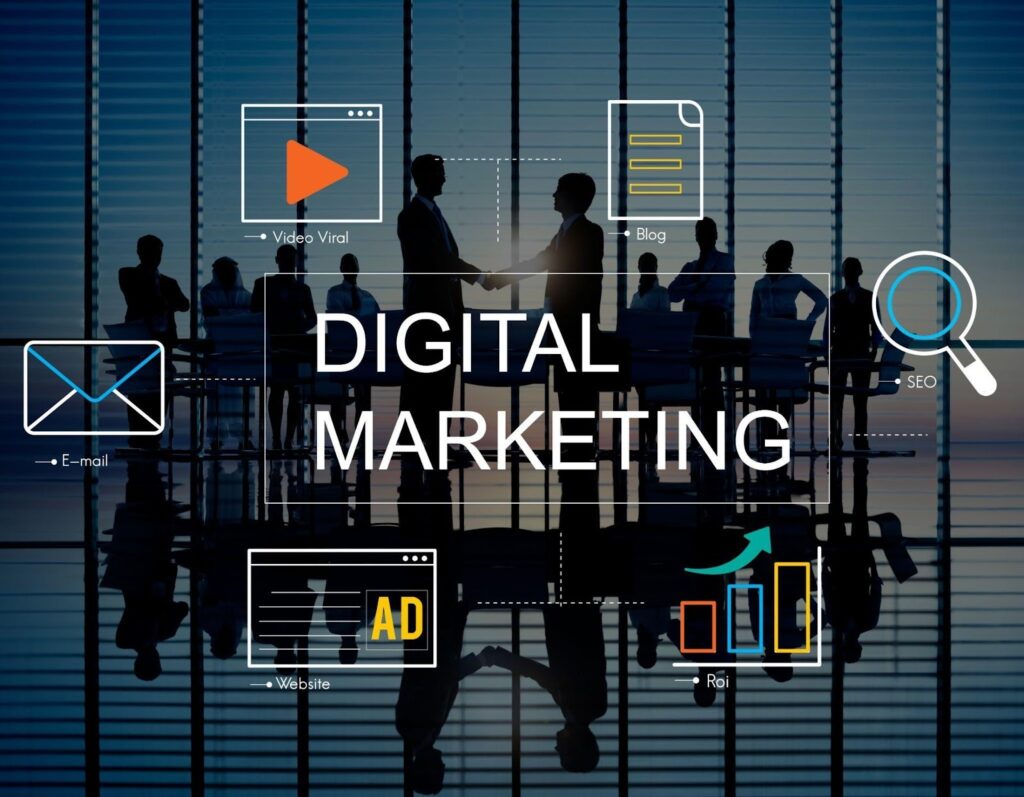

In the modern competitive digital world, it is not sufficient to have a gorgeous site , it must also perform effectively. Companies that combine web design and online marketing systems gain increased visibility, improved engagement, and higher conversions. Whether you are working with a wordpress leeds developer or managing a broader digital strategy, when marketing and design integrate, your site becomes more than an online brochure , it turns into a powerful growth engine.
Why Web Design and Digital Marketing Must Work Together
A beautiful site, without marketing, is an image in the desert, beautiful, but invisible. Similarly, the finest digital marketing campaign will not be successful when it directs users to a poorly or slow-loading site.
The combination of the two would make sure that your marketing attempts bring people to your websites and your web design transform them into repeat customers.
1. Building a Cohesive Brand Identity
Customers are likely to experience your brand through the first impression of your site. Correlation between design (colors, typography, and imagery) and marketing tone (ads, social posts, email campaigns) creates trust and brand recognition.
As an illustration, the brand with the bold and modern visuals in the advertisements should be reflected in its web site. This will provide a smooth brand experience and enhance the value of recall.
2. Enhancing User Experience (UX) for Conversions
Digital marketing drives traffic, but user experience determines whether that traffic converts.
Clear navigation, responsive layouts, and fast page loading are critical factors that improve engagement and reduce bounce rates. Close collaboration between designers and marketers allows teams to analyze user behavior through analytics and refine layouts, calls-to-action (CTAs), and landing pages to increase conversion rates , an approach especially important in competitive fields like ecommerce web development london.
How to Integrate Web Design and Digital Marketing Effectively
Integrating these two disciplines doesn’t happen by accident — it requires planning, collaboration, and data-driven decisions.
1. Start with Audience Research
Web design as well as marketing should be initiated by knowing the target audience. Understanding the demographics, preferences, and behavior of your users online will help you to create content, visuals and functionality that will resonate.
As an example, when the target audience is mobile users, you need to design in such a way that speed, vertical scrolling and thumb navigation are the main consideration.
2. Optimize for SEO from the Ground Up
Search engine optimization (SEO) connects web design with online marketing. A site that is attractive should also be search engine friendly so that the site can gain organic traffic.
Key SEO-friendly design practices include:
- Using clean and semantic HTML structure
- Compressing images for faster loading
- Implementing schema markup
- Writing keyword-rich meta titles and descriptions
- Designing mobile-first layouts
When SEO experts and web designers collaborate, they create websites that both users and search engines love.
3. Create Conversion-Focused Landing Pages
Landing pages are where design and marketing meet most directly.
A good landing page should:
- Match the ad or campaign message that brought the user there
- Have a strong, action-driven headline
- Use compelling visuals and social proof (like testimonials or case studies)
- Include a clear CTA (“Sign Up Now,” “Get a Quote,” etc.)
These design choices, informed by marketing data, can dramatically improve campaign ROI.
4. Use Data and Analytics for Continuous Improvement
It is not the end of integration when launched.Incorporate the tools such as Google Analytics, Hotjar, A/B testing sites to understand user engagement of your site and marketing campaigns.
Data can reveal insights such as:
- Which pages users spend the most time on
- Where they drop off in the conversion funnel
- Which CTAs drive the most clicks
Design and marketing teams can use this data to refine layouts, content, and strategy for even better results.
Real-World Example: The Power of Integration
Take an eCommerce brand that reinvents its Web site with marketing as its consideration. It increases the rate of site speed, creating product descriptions that are optimized to achieve better search rankings, and enhancing attractive landing pages on adverts, which increases:
- A 30% increase in organic traffic
- A 20% higher conversion rate from paid ads
- Reduced bounce rates due to better user experience
This demonstrates that when web design and digital marketing align, performance metrics across the board improve.
Conclusion
Web design and digital marketing can not be regarded as an option anymore, it is a necessity to the business success of the digital era. Having a consistent strategy will mean that all aspects of your online image (including your images and your search engine optimization) are directed to the same purpose, which is to attract, entertain, and convert customers.
With teamwork between design and marketing teams, brands will develop continuous user experiences, which leads to quantifiable growth and loyalty.
FAQs
1. How does web design impact digital marketing performance?
The Web design influences the perception of your brands and the way users interact on your site and react to your marketing campaigns. Simple, quick and attractive design facilitates increased engagement and rates of conversion.
2. What are the best practices for integrating web design and digital marketing?
Begin with audience research, focus on SEO in design, be consistent in visual and message and utilize analytics to make continuous improvements.
3. Why is SEO important in web design?
SEO makes sure that your well-crafted site is found by your prospective customers. The site speed, structure, and content optimization will enhance search results and help to attract organic traffic which can be turned to organic conversion.