
The introduction and integration of novel, more sustainable solutions within industry practices has seen, and will continue to, focus on finding the best way to produce and package goods. Leaving behind plastic bags is more so the direction of the modernist approaches taken with today’s Non-Woven Carry Bag Making Machines. These proprietary integrations into the factory are exciting and encouraging to many. With these machines, plastic bags have been eclipsed with reusable bags, which could be adopted into the everyday carry-use of the public. This in turn will aid in manufacturers’ electronic implementation working within B2B’s. This essay will go in detail exploring how these non-woven machines are revolutionalizing and redefining these practices within the business to business.
The Rise of Non-Woven Carry Bags
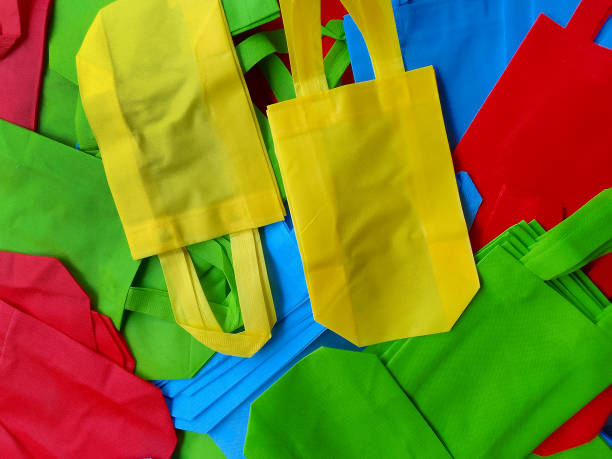
Non-woven bags have assumed the classic ‘go to’ replacement for plastic bags. This is a position with a number of appealing advantages such as, being reusable and eco-friendly with their non-woven fabric. These are made with synthetic bonded thermally, mechanically, or chemically, making them stronger and more durable which is too a proud point to have. These bags do come in many versatile and customizable styles, which makes it a go for many industries. Retail, grocery stores and even the more hidden within their community, the healthcare sector.
Both consumers and businesses are paying attention to the environment now and because of that the usage of non woven carry bags is growing. Several governments and locations have imposed harsh restrictions to decrease the consumption of plastic. This is also, in turn, encouraging the pursuit of plastic alternatives. This is also the main reason why many businesses now have moved to inline non woven bag making machines.
In the Manufacturing Process, What is the Function of Non Woven Bag Making Machines?
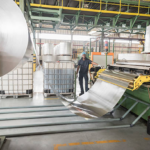
Machines that make non woven bags are able to create non woven bags in an efficient manner and in large quantities. All the operations in the life cycle of bag production can be completely automated. This includes fully automated fabric feeding, cutting and setting, shaping, and stitching. In large scale manufacturing, everything is done with as little human effort as is possible to maximize operational speed, balance and certainty, and decrease errors.
The steps that are involved in the production of non woven bags are many.
- In the first step, the non woven fabric rolls that are the base materials are put into the machine.
- The fabric is cut to size in the shape that is needed to create bags of various sizes. Additional shape features and handles can also be added during this step.
- The bag is stitched and sealed to make sure that it is sturdy and durable. attains durability because of the stitches. The handles that are used also are reinforced either with stitching or welding to make sure that they do not come off.
- Printing and Customization: Numerous devices offer an optional print module/option, thereby allowing companies to imprint their logos, artwork, and other branding directly on the bags.
Using non-woven bags machines, manufacturers have the ability to produce durable, high-quality bags that can be tailored toward specific use cases. These machines offer a flexible approach to many industries, whether directly for retail packaging, giveaways, or even those in the medical field.
The Environmental Benefits of Non-Woven Bags
What is motivating the most the adoption of non-woven carry bags is the reduction of pollution. Non-woven bags can be made from almost 100% recyclable materials and their production uses significantly less energy than the production of plastic bags. Additionally, non-woven bags are designed for multi-use, and therefore, can eliminate the supply of single-use packaging, improving waste reduction.
By purchasing non-woven bag making machines, a business can take an initiative toward the greater cause of the adverse effects packaging has on the environment. Non-woven bags are a great alternative to plastic bags because they are handy, much easier to carry and they break down more readily. Businesses also wishing to promote their goals and comply with the growing consumer demand for plastic packaging alternatives can also easily demonstrate that initiative when using non-woven bags.
Furthermore, non-woven bags can be used repeatedly which increases their overall lifespan and utility compared to paper bags. This promotes less waste and supports the circular economy of reusing and recycling products instead of disposal.
Customization and Branding Opportunities
With the increasing popularity of non-woven carry bags, there is a growing need for unique designs that foster brand differentiation. Non-woven bag making machines provide limitless customization features enabling companies to design bags that resonate with their brand image and suit their intended consumers.
Outlined below are some modifications a company can do to their non-woven bags in the best non-woven bags machines.
- Logo Printing: A business can directly print its logos and other brand elements on bags at the production stage instead of sending these bags to a third party designer.
- Size and Shape Flexibility: Non-woven bags are available in different shapes and sizes, the machines can be set to design specific shapes of bags like tote bags, pouches, and also some promotional bags.
- Handle Options: A business can select elegant soft loop handles, die-cut handles, or even thick rope handles depending on the design and needs of their bags.
Offering businesses the ability to enhance brand visibility and attract more customers through customizable bag printing. With the trendy focus on sustainability, non-woven bags also allow businesses to improve their eco-friendly brand image.
Cost Effectiveness and Efficiency
Although the non-woven bag making machines represent an initial large investment, the non-woven bag making machines have the capability to generate large margins over time, providing effective long term cash flow. The investment is the wiser choice over older manual methods and other types of machinery that take more time and money and result in less efficiency, speed, and level of automation.
The major benefits that save the most costs are listed below:
- Less Labor Requirements: There is less manpower needed to complete the process, reducing wage costs, and spending less on other resources.
- Increased Output: The non-woven bag making machines are designed to create multiple bags at once, thus the demand is more easily fulfilled and decreased.
- Minimal Fabric Waste: The optimized machines are effective in reducing the total fabric waste produced.
One more advantage of the non woven bags machines is the operational efficiencies they sustain productivity gains during cycle time reductions. Companies can speed up bag production cycle times with automated processes like feeding, cutting and stitching.
Future Developments on non woven carry bag making machines
Like with many other machines, the non woven carry bag making machines are likely to prosper on account of the ongoing technological changes within the packaging sector. The development of the following trends will likely mark the evolution of these machines in the years to come:
- Manual operations reduction will be the primary metric in growing production capacity of non woven. The labor savings and productivity enhancements resultant from these actions will be substantial.
- Much more will be required in the areas of developing more eco-responsible materials, machines, and techniques to ensure that the non woven bags are produced in a non environmentally detrimental manner.
- The capability of monitoring machines from remote locations to enhance productive time and reduce downtimes will be reachable with the addition of IoT and AI.
As companies continue with their goals of sustainability and cost reduction, they are some of the first to provide affordable, custom, and non-polluting solutions to their packaging requirements. They have also greatly enhanced the innovation level in non-woven bag making machines.
In conclusion, the non-woven carry bag making machines have proved to be very useful in transforming the packaging industry. Businesses have cost-effective options to produce non-woven bags at a sheer fraction of the industry price. With the changing world pushing the agenda of sustainability, the adoption of non woven bags machines is bound to increase. They offer the reusable, recyclable and customizable packaging options that companies are so eager for.
The right investment in non woven bags forming machines is likely to boost a company’s image while also preserving the ecosystem. The advancing innovative options that non woven bag manufacturing has to offer, the machines will become the focal point of change. These will lead to the non woven bag making machine.