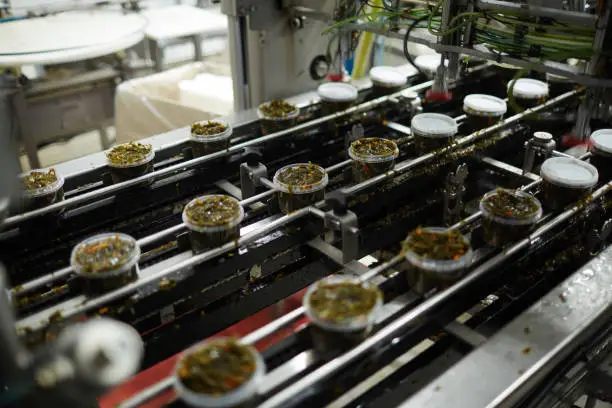

Packaging pickles pose unique challenges due to their acidic corrosive properties. For B2B manufacturers and distributors, ensuring all pickles are preserved properly during production, storage, and distribution is essential. Investing in glass jar filling machines advanced pickle packaging machines makes it possible to optimally protect pickles, extend their shelf-life, and improve operational efficiencies in packaging. This article describes the specialized packaging machines necessary for the packaging of highly acidic products, the technologies available, and the benefits within an industrial framework.
Pickles contain vinegar, salt, and other preservatives and are therefore corrosive due to their high acidity. This creates unique challenges during the packaging process.
- Corrosion Risks: Packaging systems that contain any standard plating uncoated metals are engineered to corrode with the flow of the acid.
- Seal Integrity: Packaging systems that seal in a corrosive manner expose the product to a lob and thereby to gross contamination.
- Product Stability: Packaging that does not adhere or seal properly to the lob creates unstable products that expose pickle products to the atmosphere.
- Hygiene Concerns: Acidic environments promote the corrosion of microbes which poses a health hazard during packaging.
For B2B operators, these risks can lead to lost products, increased operational costs, and lost customer confidence. The use of specialized pickle packing machines helps to overcome these risks by providing controlled hygienic, and safe pickle filling and sealing processes.
Important Features of New Pickle Packing Machines
New pickle packing machines can now efficiently work with viscous and acidic products. The most important features for B2B operators include:
- Corrosion-Resistant Materials: The steel and food-grade coatings help stave off acidic attack.
- Automated Filling Systems: Exact filling of pickles and brine and minimization of spillage and wastage.
- Sealing and Capping Mechanisms: Long shelf life of products due to airtight sealing, leakage, and retaining of acidity.
- Cleaning-in-Place (CIP) Systems: Hygiene adherence is provided through thorough cleaning without any disassembly.
- Compatibility with Glass Jar Filling Machines: Glass is ideal for holding acidic products since it does not react with pickles and maintains product quality.
All these features help B2B manufacturers increase efficiency, minimize wastage, and deliver quality.
Benefits of Using Glass Jar Filling Machines
Pickle manufacturers use glass jars because they’re non-aggressive, sturdy, and visually appealing. Here are some benefits of glass jar filling machines on your packaging line for B2B operators:
- Chemical Stability: Unlike plastic, glass does not react with vinegar pickles, taste, and texture.
- Extended product Shelf Life: Glass jars are airtight, and become contaminated with bacteria.
- Accurate Filling: Automated glass jar filling machines minimize loss and ensure level fills.
- Adaptability: Glass jar filling machines are versatile. You can use different shapes and sizes for various lines.
- Brand Image: Glass packaging looks and feels premium, boosting consumer confidence and selling potential.
Having both glass jar filling machines and pickle packaging machines allows manufacturers to produce B2B compliant glass jars efficiently and safely.
Prioritizing Efficiency and Safety
When it comes to B2B, advanced pickle packaging machines are built with high efficiency and safety standards. Here are some benefits of new pickle packaging machines on your B2B operations level:
- Fast Filling: Automated glass jar filling machines speed up filling, sealing, and packaging, eliminating bottlenecks.
- Minimized Labor Needs: Automation reduces manual handling which reduces overall labor costs while also lowering chances of human error.
- Consistency in Quality: Products do not vary within batches due to the precision of the dose and the ability to vacuum seal.
- Reduced Spillage/Waste: Proper seals and accurate fills minimize losses and the time needed to clean.
- Safety and Hygiene Compliance: Automation upholds food standards by easy cleaning, corrosion resistance, and contamination prevention.
Machines that solve for safety and operational challenges enable B2B manufacturers to upscale their production while maintaining the same high quality standards and compliance.
What To Look For When Selecting Pickle Packaging Machines
B2B operators looking to maximize efficiency, safety, and quality in their pickle production will need to take multiple factors into account when selecting pickle packaging machines. Some of these include:
- Production Capacity: The machine should meet current demands while allowing for future expansion.
- Compatible Packaging Materials: The machine must work with glass jars and other containers suitable for acidic products.
- Filling Machines Integration: Consistent filling, sealing, and capping require machine interdependence.
- Quick Maintenance and Cleaning: Machines need to allow for quick cleaning to reduce downtime and uphold sanitized standards.
Automation and Control Features: Incorporation of advanced sensors and controllers greatly improves efficiency along with user interface monitoring capabilities.
Having considered these factors optimizes equipment selection for dependable long-term performance.
Advanced Pickle Packaging Offers Significant Economic Returns
Investing in advanced pickle packaging machinery offers considerable economic returns, especially for B2B operations involving glass jar pickle filling:
- Minimized Losses: Loss of product due to contamination and leakage is highly reduced with precision filling and sealed containers.
- Labor Reduction: Productivity is raised because automated packaging machines lessen manual labor.
- Increased Output: With high-speed machinery, meeting customer demand and producing large orders becomes a quick and easy task.
- Greater Product Quality: High-quality products aid in the strengthening of distributor and retailer B2B relationships.
- Risk Management and Compliance: Hygiene and safety standard compliance cut risks of customer complaints, recalls, and fines.
The economic returns further illustrate the strategic value behind B2B operations glass jar filling and advanced pickle packaging machinery.
Innovations in Pickle Packaging
With advancements in packaging tech, the pickle industry is no longer stagnant. Here are some important trends for B2B operators:
- Automated Multi-Head Filling Systems: These systems speed up the processes and accurately portion chunky pickles.
- Vacuum Sealing and Inert Gas Flushing: These systems reduce oxidation of the food and extend the shelf life of the product.
- Smart Sensors and IoT Integration: These systems facilitate real-time monitoring of production parameters and predictive maintenance of the systems.
- Sustainable Packaging Solutions: Using glass jars which are recyclable and environmentally friendly packaging will give more value to eco-friendly clients and will appear more sustainable as a business.
- Flexible Production Lines: Modular machines are able to be reconfigured for different product sizes, different types, and different packaging materials.
B2B enterprises can cut down expenses and better operational efficiency when these systems are integrated. These systems also help satisfy the changing needs of a business.
In conclusion, when it comes to packaging pickles, some issues that have to be addressed are the materials used and the impact of the packaging design on hygiene and operational efficiency. There is also the integration of advanced pickle packaging machines and glass jar filling machines that can help B2B manufacturers work around the complications that the acidic content presents and help maintain product safety. High standards also have to be kept in production and distribution.
These advancements help in reducing corrosion, leakage, and contamination while maximizing throughput and minimizing labor expenses. Glass jars remain the ideal choice for industrial-scale pickle production, considering their chemical stability, superior presentation, and sustainability.
For B2B operators, the strategic value of dependable, automatic, and corrosion-resistant packaging equipment is more than operational efficiency. It guarantees product consistency, increases supply chain reliability, and improves market competitiveness in the food processing sector.
Identifying and overcoming challenges, as well as making the right machinery choice and using innovations like precision glass jar filling, will help businesses balance the packaging of acidic products with safety and achieve operational success.